What Breaks First in Your IT Environment: Visibility, Performance, or Security?
January 2, 2026
Why Alert Fatigue Is Costing IT Teams More Than Downtime
January 29, 2026Alerts are meant to help IT teams act faster. Yet for many organizations, alerts have become a source of doubt rather than confidence. Instead of enabling swift action, they often trigger a familiar response: manual verification.
If alerts were truly reliable, why do engineers still double-check dashboards, logs, and metrics before acting?
This question highlights a growing challenge in modern IT operations—alert trust erosion.
The Alert Paradox in Modern IT Environments
1. Alert Noise and Fatigue
One of the primary reasons alerts are mistrusted is volume. When systems generate frequent alerts—many of which are low priority or false positives—teams become conditioned to ignore them.
This leads to:
- Slower response times.
- Missed critical incidents.
- Increased operational stress.
Manual verification becomes a defense mechanism against noise.
2. Lack of Context Across Systems
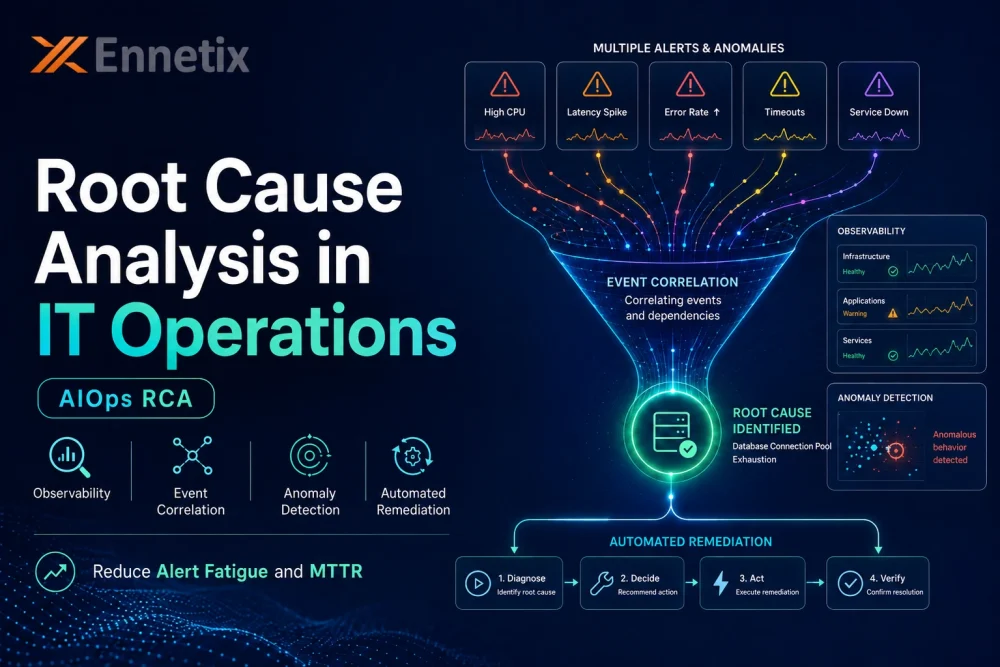
Most alerts operate in isolation. A network alert may not show application impact. A performance alert may lack user experience context. A security alert may not correlate with operational behavior.
Without correlation across domains, alerts raise questions instead of answers.
This forces teams to:
- Check multiple dashboards.
- Review logs manually.
- Cross-validate metrics.
3. Static Thresholds in Dynamic Environments
Traditional monitoring relies on predefined thresholds. Modern environments are dynamic—traffic spikes, deployments, and usage patterns change constantly.
Static thresholds often trigger alerts during normal behavior and miss subtle anomalies during abnormal conditions.
When alerts do not align with reality, trust diminishes.
The Cost of Manual Verification
While manual verification feels safer, it introduces measurable operational risks.
Time Loss
Every minute spent verifying an alert is time not spent resolving the issue. This increases mean time to detection and resolution.
Human Error
Manual analysis increases the risk of oversight, especially during high-pressure incidents.
Delayed Incident Response
Security threats, performance degradation, and outages escalate faster when alerts are questioned instead of acted upon.
Over time, this reactive cycle weakens operational resilience.
What Makes an Alert Trustworthy?
Trustworthy alerts share common characteristics that go beyond basic monitoring.
Correlated Insight
Alerts should connect metrics, events, logs, and behavioral data across systems.
Contextual Awareness
An alert should explain what is happening, why it is happening, and what it impacts.
Anomaly-Driven Detection
Instead of fixed thresholds, alerts should adapt to real behavior patterns using machine learning.
Actionable Intelligence
Alerts should guide response, not just notify presence of an issue.
When alerts meet these criteria, teams act with confidence instead of hesitation.
From Alerting to Intelligence-Driven Operations
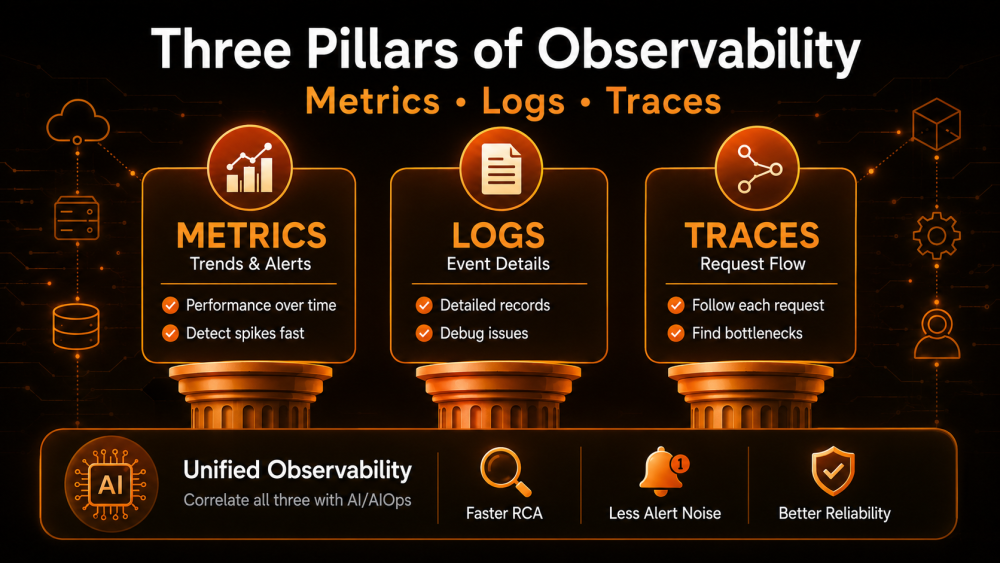
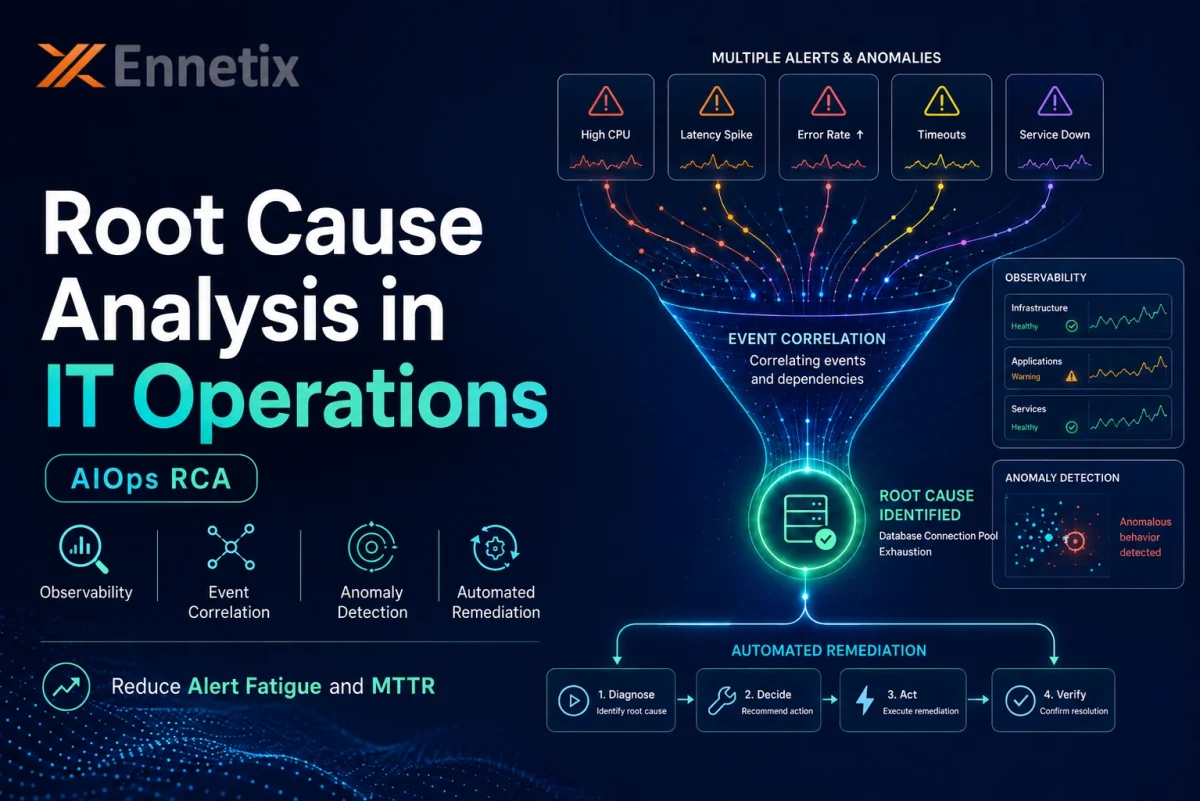
Modern IT operations are shifting from alert-centric monitoring to intelligence-driven observability.
This shift focuses on:
- Unified visibility across infrastructure, applications, networks, and users.
- Real-time and predictive anomaly detection.
- Automated root cause identification.
- Reduced alert volume with higher signal quality.
The goal is not fewer alerts—but better alerts.
Trust Enables Speed, Speed Enables Resilience
Organizations that trust their alerts respond faster. Faster response reduces downtime, limits blast radius, and improves digital experience.
More importantly, trusted alerts allow IT teams to move from:
- Reactive firefighting
to - Proactive operations.
This transformation is essential as environments grow more complex and distributed.

How Ennetix xVisor Addresses This
xVisor improves alert trust by focusing on signal quality over alert volume. Instead of generating isolated notifications, it correlates events, metrics, and behavioral anomalies to provide context-rich alerts. This reduces false positives and eliminates the need for manual verification, allowing teams to act confidently when alerts surface.
Final Perspective
If alerts still require manual verification, the problem is not team discipline—it is alert design.
Trust is built when alerts provide clarity instead of confusion, insight instead of noise, and action instead of doubt.
For organizations evaluating observability platforms, AI for IT operations, or automated anomaly detection, the key question is no longer how many alerts a system generates—but how many alerts teams actually trust.